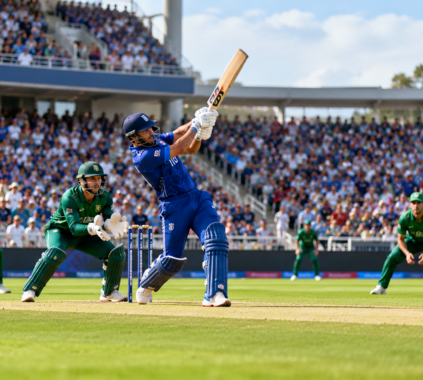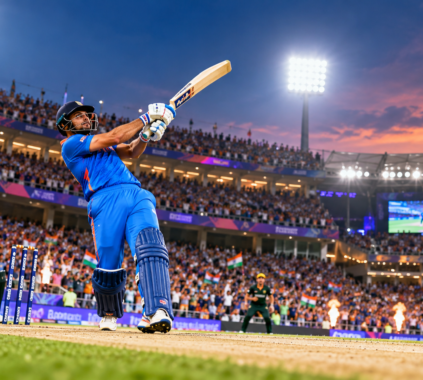

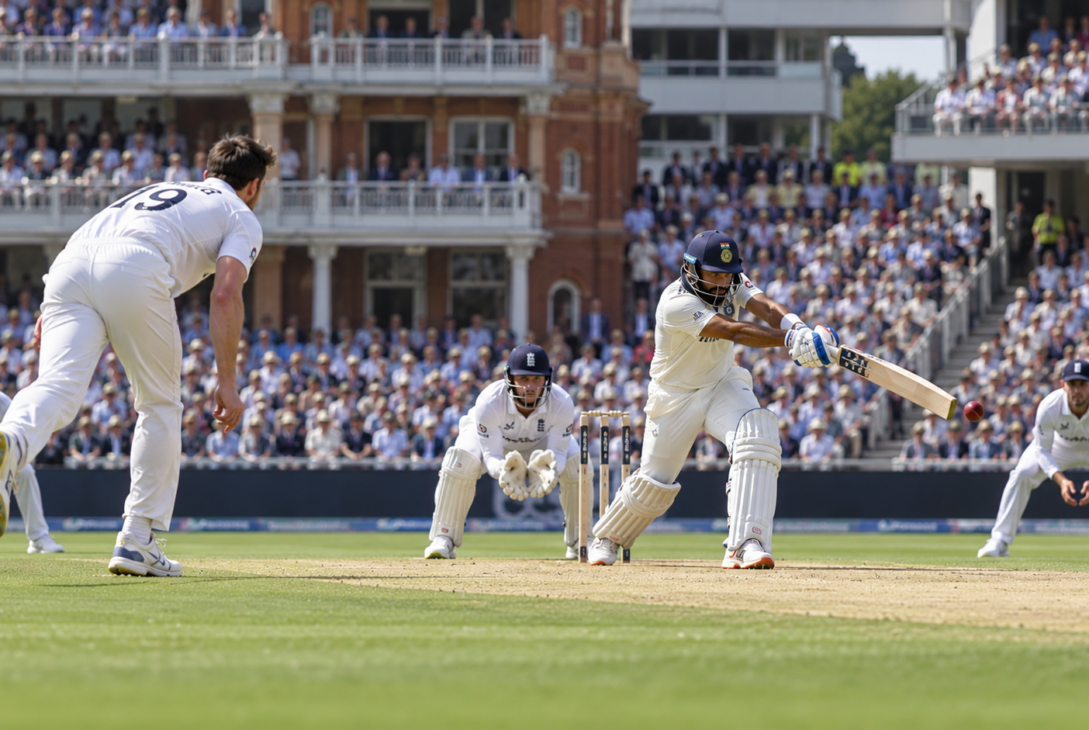
Cricket is easier to follow once you understand one basic idea: one team tries to score runs, while the other team tries to stop those runs and take wickets. The teams then usually switch roles, and the team with more runs wins.
This guide explains the rules of cricket in plain English. It covers the pitch, players, batting, bowling, overs, innings, scoring, common ways to get out, and the differences between Test, one-day, and T20 cricket.
What is the objective of cricket?
Cricket is played between two teams. One team bats and the other bowls and fields. The batting team tries to score as many runs as possible. The fielding team tries to prevent runs and dismiss the batters.
After one innings or a set of innings, the teams change roles. The team that scores more runs wins. In a limited-overs match, the result is normally decided after both teams have had their allotted opportunity to bat, or after the chasing team passes the target.
The Marylebone Cricket Club, usually called MCC, is the custodian of the Laws of Cricket. The International Cricket Council governs international cricket and applies playing conditions that can add format-specific rules. That is why a rule in a local club match can sometimes differ slightly from a rule in an international tournament.
Cricket basics at a glance
•Each team normally has 11 players.
•Only two batters are on the pitch at one time.
•One batter faces the bowler, while the other waits at the opposite end.
•The fielding team has a bowler, a wicketkeeper, and other fielders.
•A team scores by running between the wickets or by hitting boundaries.
•A legal over contains six legal deliveries.
•An innings ends when the allotted overs are complete, the batting team is dismissed, or another result condition applies.
•A team is usually “all out” when 10 wickets have fallen because only two batters can bat at once.
These are the foundations. The details become much easier once you know what the pitch and wickets are for.
The cricket pitch and wicket
The playing field is generally a large oval or circular ground with a boundary around it. A rectangular strip called the pitch sits in the middle. The pitch is 22 yards long, or 20.12 metres, and contains a wicket at each end.
Each wicket has three vertical wooden stumps with two small bails resting on top. The bowler aims to hit the wicket. The batter protects it while trying to score runs. The word wicket can mean three different things in cricket:
1.The set of stumps and bails.
2.The pitch between the two sets of stumps.
3.The dismissal of a batter.
The crease is the marked line near each wicket. A batter is considered safe when part of the bat or the batter’s body is grounded behind the popping crease. This becomes especially important for run outs and stumpings.
How batting works
Two batters begin an innings. The striker stands at one end and faces the bowler. The non-striker stands at the other end.
When the striker hits the ball, the two batters can run to the opposite ends. If both reach the opposite creases safely, they score one run. They may turn and run again if the ball is still in play. The batters do not have to run after every shot.
The striker changes when the batters cross during a completed run. The strike can also change at the end of an over, depending on where the batters finish and on the playing conditions.
A batter’s individual score is called their runs. The team’s total includes runs made by batters and runs called extras.
How bowling works
A bowler delivers the ball from one end of the pitch toward the batter at the other end. Six legal deliveries make one over. After the over, a different bowler bowls from the opposite end.
A bowler cannot normally bowl two consecutive overs. The captain chooses which bowlers to use and where to place the fielders. A team’s bowling strategy may include fast bowling, spin bowling, short-pitched deliveries, slower balls, and deliveries aimed at the stumps.
A delivery must comply with the format’s rules. For example, a ball that is too wide for the batter to reach may be called a wide, while certain illegal actions or an unfair delivery may be called a no-ball. These deliveries usually give the batting team an extra run and do not count as one of the six legal balls in the over.
What is an over in cricket?
An over is a set of six legal balls bowled by one bowler. If a delivery is called a wide or no-ball, it normally does not count toward the six-ball total. The bowler must therefore deliver another legal ball before the over is complete.
For example, suppose an over contains five legal balls and then a wide. The wide adds to the score, but the over still needs one more legal delivery. It will contain seven deliveries in total, although only six count as legal balls.
The score is often written in the form 120/4 after 20 overs. This means the batting team has scored 120 runs and lost four wickets after completing 20 overs.
How runs are scored
There are several ways for a batting team to score.
Running between the wickets
The most common method is for the batters to hit the ball and run between the creases. Each completed change of ends counts as one run. The batters can attempt multiple runs if the fielders take time to return the ball.
A run is completed only when the relevant batter makes their ground safely. If a fielder breaks the wicket before a batter reaches the crease, the batter may be run out.
Four runs
A batter scores four runs when the ball reaches the boundary after touching the ground, provided the ball has not already been stopped or otherwise dealt with under the applicable playing conditions.
Six runs
A batter scores six runs when the ball is hit over the boundary without first touching the ground. Sixes are among the most recognisable scoring shots in limited-overs cricket.
Extras
Extras are runs that are not credited to the batter’s individual score. The main types are:
•Wide: The ball is too far from the batter to be reached with a normal shot, subject to the match’s playing conditions.
•No-ball: The bowler delivers an illegal ball. Common causes include overstepping the front crease or breaching format-specific restrictions.
•Bye: The ball passes the batter and the batters run, even though the ball did not touch the bat or the batter.
•Leg bye: The ball touches the batter’s body or protective equipment, and the batters complete runs, subject to the relevant law and the batter’s movement.
The umpire signals extras, and the scorer adds them to the team total. A wide or no-ball also gives the batting side an additional delivery in the over because it is not a legal ball.
How a batter gets out
A dismissal is usually called a wicket. The batting team can lose up to 10 wickets in an innings. The most common dismissals are below.
Bowled
The bowler’s delivery hits the stumps and dislodges at least one bail. The batter is out even if the ball first touches the bat or body, provided the legal requirements for bowled are met.
Caught
A fielder catches the ball before it touches the ground after the batter hits it. The catch must be completed according to the Laws, and the fielder must remain within the field of play when required.
Leg before wicket, or LBW
LBW is one of cricket’s most confusing rules for new viewers. In simplified terms, a batter can be out LBW when a legal delivery hits the batter’s body instead of the bat and the ball would have hit the stumps, subject to conditions about where the ball pitched, where it struck the batter, and whether the batter was attempting a shot.
An umpire must judge several details, so LBW decisions can be reviewed in some professional matches using the Decision Review System, commonly called DRS.
Run out
A batter is run out when the wicket is fairly broken while the batter is outside their ground and the ball is still in play. This often happens when batters attempt a run and a fielder throws the ball toward the stumps.
Stumped
A wicketkeeper can stump a batter who leaves their crease while attempting a shot, provided the batter is not attempting a run and the legal conditions for the dismissal are satisfied. The wicketkeeper breaks the wicket with the ball before the batter makes their ground.
Hit wicket
A batter is out hit wicket if their body, bat, or equipment breaks their own wicket while playing a shot or setting off for a run, subject to the detailed conditions in the Laws.
MCC and the ECB also list other dismissals, including obstructing the field, timed out, and hitting the ball twice. These are much less common in ordinary matches.
What is an innings?
An innings is a team’s turn to bat. The word can also describe an individual batter’s time at the crease, depending on context.
In a limited-overs match, each team normally has one innings. In Test cricket, each team normally has two innings. An innings can end because:
•The team loses 10 wickets.
•The team uses all of its allotted overs.
•The captain declares the innings closed in a format where declarations are allowed.
•The chasing team reaches the target.
•A special result or match condition applies.
The exact rules depend on the format and competition regulations.
The three main formats of cricket
Test cricket
Test cricket is the longest international format. A Test match is scheduled over up to five days, and each team normally has two innings. It tests patience, technique, fitness, and the ability to adapt over long periods. A Test can end in a win, loss, draw, or tie.
One-Day International cricket
A One-Day International, or ODI, is a limited-overs match. Each team normally has one innings of up to 50 overs. The team that scores more runs wins, unless the match is tied or affected by weather and a competition method is needed to decide the result.
Twenty20 cricket
Twenty20, or T20, is the shortest major international format. Each team normally faces up to 20 overs. Matches are designed to be fast and usually finish in a few hours. Batters often attack early, while bowlers and fielders have less time to recover from mistakes.
Domestic leagues may use other formats, altered over limits, or special tie-break procedures. Always check the competition’s playing conditions for details.
How a cricket match begins
Before play, the two captains take part in a toss. The captain who wins chooses whether their team will bat or field first. The decision may depend on the pitch, weather, dew, the strength of the batting lineup, and the match format.
The first team bats while the second team fields. Once the first innings ends, the teams swap roles. In a limited-overs match, the second team then tries to chase the first team’s total.
For example, if Team A scores 180 runs, Team B needs 181 to win. If Team B scores 180, the match is tied unless the competition uses a tie-break. If Team B is dismissed for 150, Team A wins by 30 runs.
How to read a cricket scorecard
A scorecard usually shows the team total, wickets lost, overs completed, and each batter’s score. Here are two common examples:
•245/6: 245 runs for six wickets.
•246/7 in 48.2 overs: 246 runs for seven wickets after 48 overs and two legal balls of the next over.
In cricket notation, 48.2 overs does not mean 48.2 decimal overs. It means 48 completed overs plus two legal deliveries. Since an over contains six legal balls, 48.2 overs equals 290 legal deliveries.
Bowling figures may look like 4–0–28–2. This generally means four overs bowled, no maidens, 28 runs conceded, and two wickets taken. Scorecard conventions can vary, especially in non-professional cricket.
What are maidens, boundaries, and a target?
A maiden over is an over in which the bowler concedes no runs credited to the batting side. It can still include wickets, and the exact treatment of byes or leg byes follows scoring laws and match conventions.
A boundary is usually a four or six. A four reaches the boundary after bouncing, while a six clears the boundary without bouncing.
The target is the number of runs the chasing team needs to win. If the first team scores 275, the second team’s target is 276. In some competition contexts, the word target may also be used for a revised score after rain or other interruptions.
Common cricket terms beginners should know
•Batter: The player attempting to score runs. “Batter” is the standard modern term, although “batsman” is still used in some contexts.
•Bowler: The player delivering the ball.
•Wicketkeeper: The fielder positioned behind the striker’s wicket.
•Fielder: Any player on the fielding side, other than the bowler in the act of bowling.
•Crease: A marked line that helps determine whether a batter is safe.
•Strike: The batter currently facing the bowler.
•Non-striker: The batter at the opposite end.
•Appeal: A request by the fielding team for the umpire to give a batter out.
•Duck: A batter’s score of zero.
•Golden duck: A batter dismissed from the first ball they face.
•Partnership: The runs scored while two batters are together at the crease.
•Declaration: A captain voluntarily ending their team’s innings in a format where this is permitted.
The easiest way to follow a live match
When watching cricket for the first time, focus on four questions:
1.Who is batting, and what is the target?
2.How many wickets has the batting team lost?
3.How many overs remain?
4.Is the required scoring rate increasing or decreasing?
In a limited-overs chase, compare the required run rate with the current run rate. If a team needs 100 runs from 60 balls, it needs 10 runs per over. Wickets remaining matter just as much: a team with plenty of wickets may attack more confidently than a team close to being all out.
Final takeaway
Cricket is a contest between runs and wickets. The batting team wants to build the highest score it can. The fielding team wants to take wickets, limit boundaries, and control the number of legal deliveries available. Once you understand overs, innings, extras, dismissals, and targets, a cricket scorecard becomes much easier to read and a live match becomes far less mysterious.