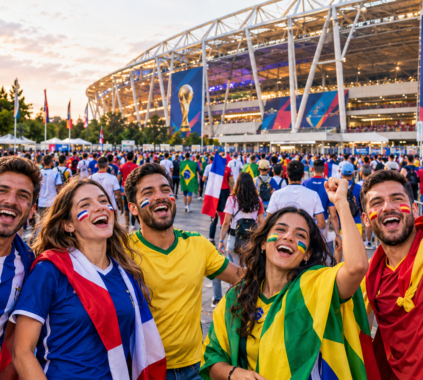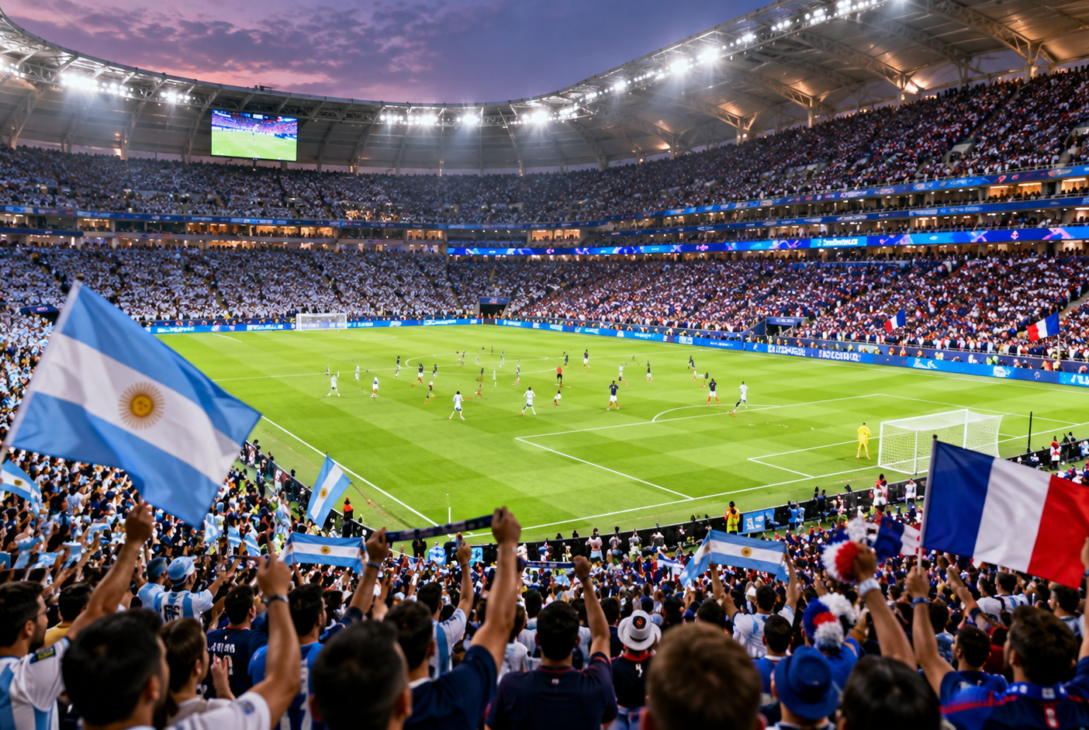
The World Cup is one of the most widely followed sporting events in the world. Millions of fans watch their favourite teams compete, while thousands travel internationally to experience matches in person.
Hosting the tournament is a major responsibility. A host country must provide suitable stadiums, transport, accommodation, security and other essential services. It must also demonstrate that it can organise an event of this size safely and efficiently.
Many countries would like to host the World Cup because it offers an opportunity to attract visitors, promote tourism and showcase local culture. However, the selection process involves detailed planning, formal bids and an assessment of whether each candidate can meet the tournament’s requirements.
So, how are World Cup host countries selected? Understanding the process helps explain why some countries are chosen and what makes a successful hosting bid.
How Are World Cup Host Countries Selected?
The host selection process for the FIFA Men’s World Cup is managed by FIFA, the international governing body for football. The process can vary between editions, depending on the bidding regulations and the number of countries involved.
1. Countries Express an Interest in Hosting
The process begins when eligible national football associations express their interest in hosting a future tournament.
A country may submit a bid independently or work with other countries on a joint bid. Hosting with partners can help share the financial responsibilities, stadium requirements and organisational workload.
For example, the 2026 FIFA World Cup is being hosted by Canada, Mexico and the United States. The 2030 tournament will be hosted by Morocco, Portugal and Spain, with centenary matches also scheduled in Argentina, Paraguay and Uruguay. Saudi Arabia was selected to host the 2034 edition.
These examples demonstrate that the World Cup can be organised by one country or through cooperation between several nations.
2. Host Countries Prepare a Detailed Bid
Interested countries must prepare a formal proposal explaining how they intend to organise the tournament.
A hosting bid generally includes information about stadiums, transport, accommodation, security, public services and the facilities available to visiting teams and supporters.
Countries must also demonstrate that their plans are realistic and that the necessary resources will be available.
A strong bid explains how the tournament will operate, how visitors will move between venues and how organisers intend to manage potential risks.
3. FIFA Evaluates the Bids
FIFA evaluates candidate bids against the requirements established for the relevant tournament.
The assessment may cover stadium capacity, infrastructure, transport networks, accommodation, commercial arrangements, sustainability and human rights considerations.
FIFA may also inspect proposed venues and review supporting documents before producing an evaluation report.
Meeting minimum requirements is important, but the final selection also depends on the applicable bidding rules and decision-making process.
4. The Host Is Officially Selected
The final appointment follows the procedure established for that tournament. FIFA member associations gathered at the FIFA Congress may vote on the bids or approve a host through another prescribed process.
For example, the hosts of the 2030 and 2034 FIFA Men’s World Cups were appointed at an Extraordinary FIFA Congress in December 2024.
Once the host or hosts are confirmed, the preparation work continues for several years. Organisers develop detailed plans for stadium operations, ticketing, transport, volunteers and visitor services.
What Requirements Must World Cup Host Countries Meet?
Organising a World Cup requires more than having a popular football team or a large stadium. A host country must demonstrate that it can support an international sporting event involving teams, officials, media and supporters from around the world.
Stadiums and Football Facilities
Stadiums are among the most important parts of a hosting bid. They must meet the competition’s requirements for capacity, safety, playing surfaces, changing facilities, media operations and spectator services.
Host countries may use existing stadiums, upgrade current facilities or construct new venues where necessary.
Training grounds and team facilities are also important because participating teams need suitable places to prepare for matches.
Transport and Accommodation
Visitors need reliable ways to travel between airports, hotels, stadiums and other destinations.
A country must consider public transport, road networks, traffic management and connections between host cities. Sufficient accommodation is also essential for supporters, players, officials and media representatives.
Poor transport planning can make a major tournament difficult for visitors, even when the stadiums themselves are excellent.
Safety and Security
Large sporting events require careful security planning. Host organisers must work with relevant authorities to manage crowds, protect participants and respond to emergencies.
Plans may include stadium security, emergency medical services, crowd management and coordination between local and national authorities.
Sustainability and Community Impact
Modern hosting bids also need to consider environmental and social responsibilities.
Organisers may assess energy use, waste management, public transport, accessibility and the long-term impact of construction projects.
A successful hosting plan should consider what happens after the final match, including whether new or upgraded facilities will continue to benefit local communities.
Why Do Countries Want to Host the World Cup?
Hosting the World Cup can create opportunities for a country, although the actual benefits depend on planning, spending and how well the event is managed.
Tourism and international visitors: Supporters may book hotels, eat at local restaurants, visit attractions and use transport services. This can create additional business for parts of the tourism and hospitality industries.
Jobs and business opportunities: Preparing for the tournament can create temporary work in construction, event management, transport, catering, security and hospitality. Some opportunities may continue after the competition, depending on the projects involved.
International recognition: A major sporting event can introduce a country to people who may not have considered visiting it before. Broadcast coverage can showcase local destinations, traditions and attractions.
Sports infrastructure: Stadium improvements, transport upgrades and public facilities may provide long-term value when they are properly planned and used after the tournament.
However, hosting also involves significant costs. Construction expenses, operational spending and the risk of underused facilities must be considered. Tourism revenue and wider economic benefits are not guaranteed to outweigh the costs.
Conclusion
Choosing World Cup host countries is a detailed process that involves formal bids, infrastructure assessments and an official selection procedure. Countries must demonstrate that they can provide suitable stadiums, transport, accommodation, security and visitor services while addressing wider sustainability and social considerations.
Hosting the tournament can create opportunities for tourism, employment and international recognition. At the same time, it requires substantial investment, careful planning and a realistic assessment of long-term costs.
For countries hoping to host a future World Cup, preparation starts long before the opening match. A strong bid must show not only that the tournament can be delivered successfully, but also how the host country and its communities may benefit afterwards.