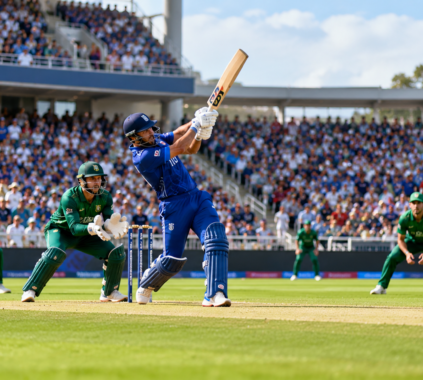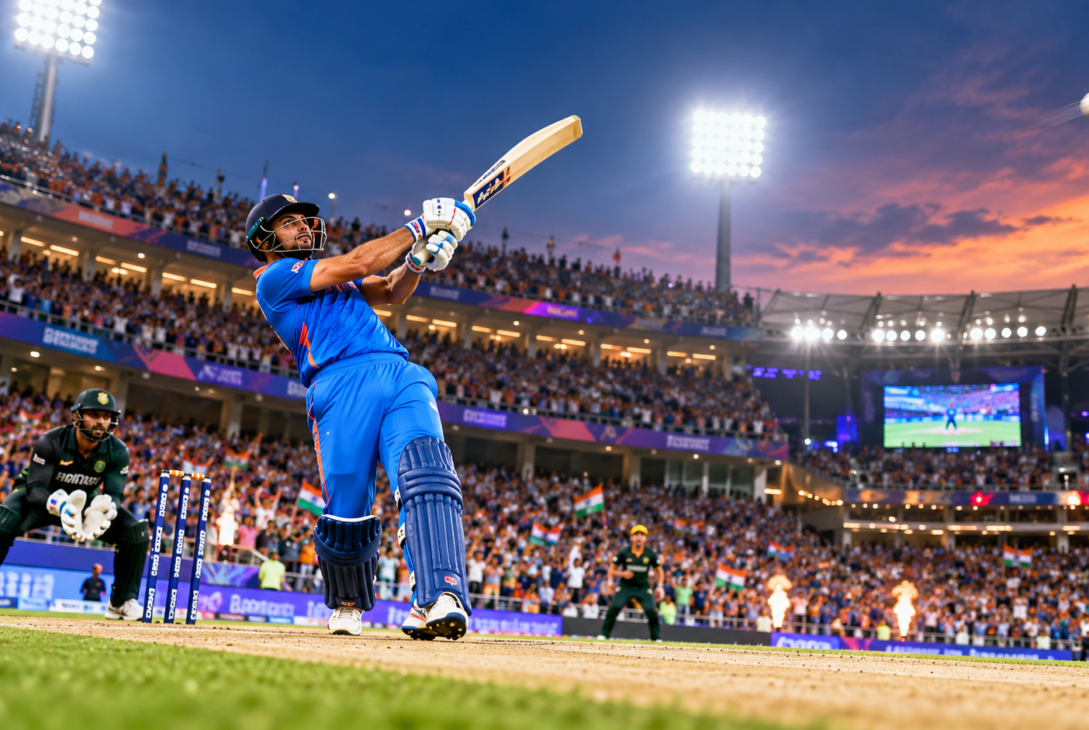
The T20 World Cup is one of the most exciting tournaments in international cricket. It brings together talented players from different countries and gives fans the chance to watch thrilling matches, powerful sixes and impressive batting performances.
Batting plays an important role in T20 cricket because teams have only 20 overs to score as many runs as possible. Players must make quick decisions, choose the right shots and perform under pressure.
Over the years, the tournament has produced several memorable batting records. Some players have scored thousands of runs across different editions, while others have made history with a single outstanding innings.
In this guide, we explore the most important T20 World Cup batting records, the leading players and the skills that help batters succeed at the highest level.
T20 World Cup Records: Most Runs and Highest Scores
Batting records help cricket fans understand which players have performed consistently and which innings have made tournament history.
Most Runs in T20 World Cup History
Virat Kohli holds the record for the most career runs in the men’s T20 World Cup, with 1,292 runs. His performances across multiple editions have established him as one of the tournament’s most consistent batters.
Kohli is known for his excellent timing, controlled stroke play and ability to handle pressure. His performances in important matches have helped India achieve memorable victories.
Other notable T20 World Cup batters include:
- Rohit Sharma: An aggressive opening batter who has scored important runs across multiple tournaments.
- Mahela Jayawardene: A former Sri Lankan batter known for his timing and ability to build an innings.
- Jos Buttler: An attacking English batter capable of scoring quickly against different bowling attacks.
- Chris Gayle: A powerful West Indian batter famous for his boundary-hitting ability.
Career records can change as active players compete in future tournaments, so check the latest official statistics before publishing updated rankings.
Most Runs in a Single T20 World Cup
Pakistan’s Sahibzada Farhan set a new men’s T20 World Cup record in 2026 by scoring 383 runs in one edition. He surpassed Virat Kohli’s previous record of 319 runs, achieved during the 2014 tournament.
Farhan’s achievement highlighted the importance of consistency throughout a competition. Scoring heavily across several matches requires concentration, good shot selection and the ability to adapt to different bowling styles.
A successful tournament campaign is not simply about scoring one big innings. Players must contribute regularly and help their teams reach important stages of the competition.
Highest Individual Score in T20 World Cup History
New Zealand’s Brendon McCullum holds the record for the highest individual score in men’s T20 World Cup history. He scored 123 runs from 58 balls against Bangladesh in 2012.
His innings featured aggressive stroke play and a combination of boundaries and sixes. It remains one of the most memorable performances in the tournament’s history.
High individual scores often involve several important skills:
- Strong hand-eye coordination and timing.
- The ability to find gaps in the field.
- Confidence when attacking different bowlers.
- Good judgement about which deliveries to hit.
- The ability to maintain concentration throughout an innings.
Fastest Century in T20 World Cup History
New Zealand batter Finn Allen scored a century from just 33 balls against South Africa in the 2026 semi-final. This broke the previous men’s tournament record of 47 balls, set by Chris Gayle against England in 2016.
A century in such a short time requires exceptional timing, power and confidence. It can also change the direction of a match by putting pressure on the opposition’s bowlers and fielders.
However, a fast century is not the only way to make a valuable contribution. A batter who scores quickly while protecting their wicket can also play a crucial role in a team’s success.
Top T20 World Cup Batters and Their Achievements
Several players have made a lasting impression through their performances in the T20 World Cup.
Virat Kohli: Kohli’s record demonstrates the value of consistency. His ability to rotate the strike, find boundaries and manage pressure has made him one of the tournament’s leading run-scorers.
Sahibzada Farhan: Farhan made history in 2026 by scoring 383 runs in a single edition. His performance established a new benchmark for tournament run-scoring.
Brendon McCullum: McCullum’s 123-run innings remains the highest individual score in men’s T20 World Cup history. His aggressive approach showed how quickly a batter can change a match.
Chris Gayle: Gayle became famous for his powerful hitting and ability to score quickly. His two centuries in men’s T20 World Cup history remain important milestones.
Finn Allen: Allen’s 33-ball century in 2026 set a new record for the fastest century in the men’s tournament. His innings demonstrated the impact of aggressive batting in a knockout match.
These players have different batting styles, but each has shown how skill, confidence and decision-making can produce exceptional results.
What Makes a Successful T20 World Cup Batter?
Scoring runs in a T20 World Cup requires more than hitting boundaries. Batters must understand the match situation and choose the right approach.
1. Starting Strong
Opening batters often try to take advantage of the fielding restrictions during the first six overs. A strong start can help a team build momentum and put pressure on the opposition.
2. Rotating the Strike
Singles and twos keep the scoreboard moving. They also prevent bowlers from settling into a predictable rhythm and help batters maintain control of the innings.
3. Choosing the Right Shots
Successful batters know when to attack and when to defend. Poor shot selection can lead to an early dismissal, while smart decisions can help a player score consistently.
4. Handling Pressure
International tournaments often involve close matches and challenging targets. Batters need to remain calm, understand the required run rate and focus on the next delivery.
5. Adapting to Pitch Conditions
Some pitches support aggressive batting, while others make scoring more difficult. Experienced players adjust their timing, footwork and shot selection to suit the conditions.
These skills help explain why consistent performers remain valuable even when they do not score a century. A quick 40 or 60 runs can make a major difference depending on the match situation.
Conclusion
The T20 World Cup has produced some of the most exciting batting performances in international cricket. Virat Kohli leads the men’s tournament’s all-time run-scoring list, Sahibzada Farhan holds the single-edition run record, Brendon McCullum has the highest individual score and Finn Allen holds the fastest-century record.
These achievements demonstrate the importance of consistency, timing, confidence and smart decision-making in T20 cricket.
As future tournaments take place, new players will have opportunities to challenge these records and create unforgettable moments. For cricket fans, following T20 World Cup batting records is an excellent way to appreciate the talent and determination behind the game.